How Connectivity Solutions Can Transform Your Business
January 15, 2025
Why 3CX Phone Systems Are a Game-Changer for South African SMEs
July 16, 2025
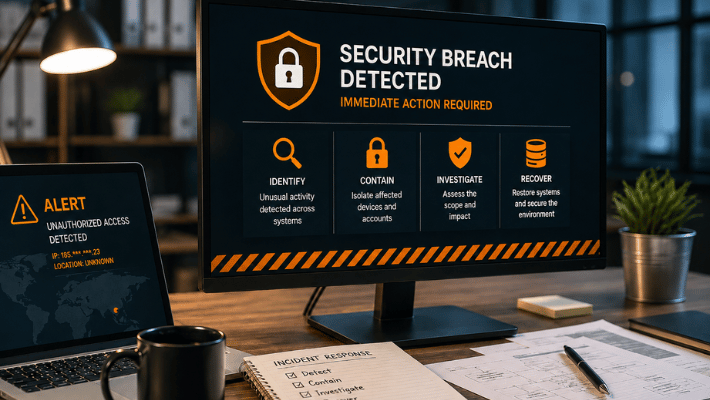
In today’s hyperconnected world, cybersecurity is no longer just a concern for large corporations. Small and medium-sized businesses are increasingly targeted by cybercriminals, often because they lack the robust security measures of their larger counterparts. As cyber threats continue to grow in sophistication and frequency, protecting your business requires more than a basic antivirus program—it demands a proactive, strategic approach.
At Mezobyte, we understand that cybersecurity is critical to your business continuity, client trust, and long-term success. Whether you manage a small startup or a growing enterprise, these best practices can help secure your data, networks, and devices in the digital age.
1. Start with a Strong Foundation: Firewalls and Antivirus Software
Every business network should have a firewall as a first line of defense. A properly configured firewall acts as a gatekeeper, monitoring incoming and outgoing traffic and blocking potentially malicious activity. Combine this with up-to-date antivirus and anti-malware solutions to scan for threats and protect devices across your organization.
2. Educate Your Team: People Are the Weakest Link
Human error remains the leading cause of data breaches. Phishing emails, weak passwords, and unsafe browsing habits can all lead to serious security incidents. Regular employee training is essential—teach your team how to spot suspicious emails, recognize social engineering tactics, and follow proper password hygiene. Simple awareness can prevent complex attacks.
3. Use Strong, Unique Passwords—and Multi-Factor Authentication
A weak password can be cracked in seconds. Encourage employees to use long, complex passwords and to avoid reusing them across platforms. Better yet, implement a password manager and enable multi-factor authentication (MFA) wherever possible. MFA adds an extra layer of protection by requiring a second verification method—like a mobile code or biometric scan—before granting access.
4. Regular Software Updates and Patch Management
Outdated software often contains known vulnerabilities that cybercriminals can exploit. Ensure that your operating systems, applications, and devices are regularly updated with the latest patches. This includes everything from your CRM and VoIP systems to your routers and network switches. Automating updates can help ensure consistency and reduce the risk of human oversight.
5. Back Up Your Data—Frequently and Securely
No system is immune to failure or attack. Ransomware, in particular, can lock you out of your data until a ransom is paid. The best defense is a reliable backup solution. Back up your data regularly to both local and cloud-based storage, and test your backups to ensure they can be restored when needed.
6. Partner with Cybersecurity Experts
Cybersecurity is a complex, evolving challenge. Partnering with a managed IT provider like Mezobyte ensures you have expert support to assess risks, deploy advanced protection, and monitor for threats around the clock. Our proactive IT services are designed to keep your business secure—so you can focus on growth, not fire-fighting breaches.
Conclusion
Cyber threats are a daily reality, but your business doesn’t have to be vulnerable. By implementing these cybersecurity best practices and working with trusted IT professionals, you can reduce your risk and build a secure, resilient digital environment.
Ready to assess your cybersecurity readiness? Contact Mezobyte today for a free consultation.